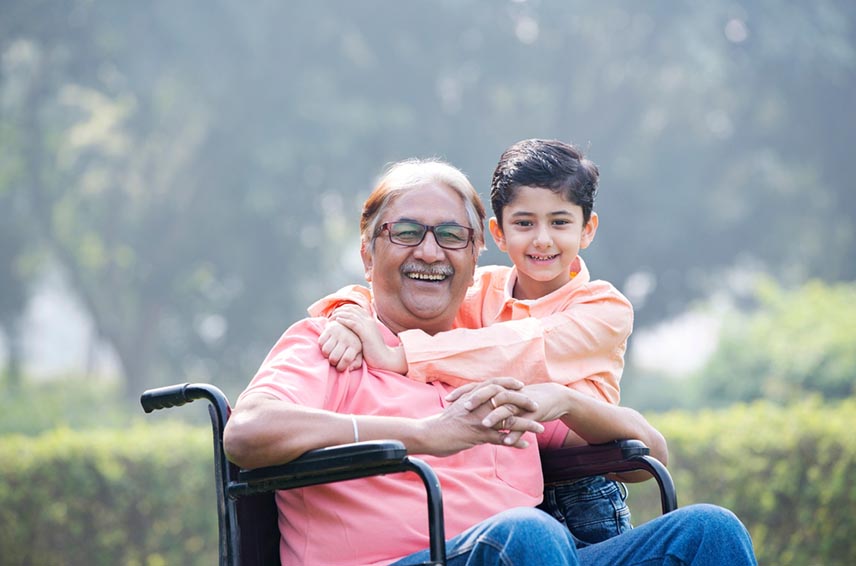
Family plays a pivotal role in the lives of differently-abled individuals, providing a foundation of support, love, and understanding. Navigating the challenges and joys that come with a disability requires effective communication, resilience, and a strong support system. In this article, we’ll explore the dynamics of relationships within families of differently-abled individuals, offering insights into building a nurturing environment that fosters growth, empowerment, and unity.
The Role of Family: A Pillar of Strength:
Families are the backbone of support for individuals with disabilities, providing unwavering encouragement and creating a sense of belonging.
Effective Communication: The Key to Understanding:
Clear communication is essential for fostering understanding and empathy. Open conversations about needs, challenges, and aspirations create a safe space where everyone’s perspective is valued.
Siblings and Bonds of Compassion:
Siblings of differently-abled individuals often develop a unique sense of empathy and compassion. Their roles can evolve into becoming advocates, allies, and pillars of support for their brothers and sisters.
Parenting Challenges and Triumphs:
Parents of differently-abled children navigate a journey of adapting, advocating, and celebrating milestones. Sharing experiences and seeking guidance from other parents can create a network of mutual support.
Fostering Independence: Balancing Support and Autonomy:
Balancing the need for support with the desire for independence is a delicate dance. Families play a critical role in empowering their loved ones to develop life skills and make decisions while offering a safety net.
Resilience and Growth: Facing Challenges Together:
Challenges are inevitable, but they can also serve as catalysts for growth. Families that embrace challenges as opportunities to learn, adapt, and support each other foster resilience and unity.
Creating an Inclusive Environment:
Families can promote inclusivity by encouraging open conversations about differences, setting positive examples, and nurturing an environment where each individual’s unique abilities are celebrated.
Conclusion: A Tapestry of Love and Empowerment:
The journey of families with differently-abled members is a tapestry woven with love, patience, and empowerment. By fostering open communication, nurturing resilience, and celebrating each individual’s unique journey, families create an environment where everyone can flourish.
As we navigate the intricacies of family relationships, let’s remember that it’s the bonds of love, understanding, and support that strengthen us. In the face of challenges, families stand as pillars of unity, resilience, and unwavering hope – a testament to the enduring power of love and connection.